The Art of Layering in Interior Design

Master the art of layering in interior design to add texture, warmth, and visual interest. Learn how to layer colors, textiles, and decor like a pro.
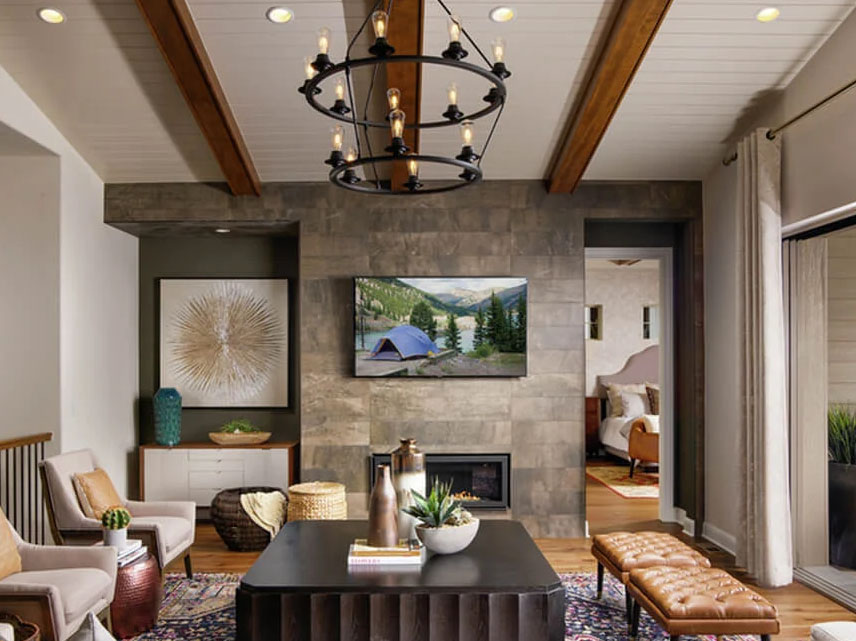
Meta Title:
The Art of Layering in Interior Design | Texture & Depth Tips
Meta Description:
Master the art of layering in interior design to add texture, warmth, and visual interest. Learn how to layer colors, textiles, and decor like a pro.
Introduction
When you walk into a beautifully designed room, there's a good chance it feels complete, cozy, and deeply inviting. That sense of richness often comes from a single technique: layering. In interior design, layering involves thoughtfully combining textures, colors, materials, and decor elements to create a space that feels dynamic and intentional.
Whether you're decorating a new home or refreshing an existing one, learning how to layer effectively can take your interiors from flat to fabulous. In this blog, we’ll explore the core principles of layering and show you how to use it to create warmth, depth, and harmony in any room.
1. Start with a Strong Foundation
Begin by establishing the basics:
- Wall color or wallpaper
- Flooring and base rugs
- Main furniture pieces like the sofa or bed
This foundation sets the tone for your room’s color palette and material choices. Stick to a cohesive, neutral base that allows other layers to build upon it naturally.
2. Layer with Textiles
Textiles are the easiest way to add instant softness and complexity. Combine:
- Area rugs over hardwood or carpet
- Throw blankets across chairs or beds
- Cushions in different fabrics and shapes
- Linen or cotton drapery for added texture
Mix textures like velvet, linen, knits, faux fur, or wool to create contrast and warmth. Layering textiles makes a room feel cozy and lived-in.
3. Mix Materials and Finishes
Layering also applies to finishes—wood, metal, leather, glass, ceramics, and stone. A space with too much of one material can feel one-dimensional.
Try combinations like:
- A marble coffee table on a jute rug
- A leather armchair next to a matte black side table
- Brass lighting above a wooden dining table
The variation in materials creates visual richness and helps each element stand out.
4. Combine Colors and Patterns with Intention
Stick to a color palette (typically 2–3 core colors plus an accent) and build layers within those tones.
- Use solids as a base
- Add subtle patterns (stripes, tone-on-tone)
- Introduce bolder prints in moderation (florals, geometrics, global motifs)
Balance is key—pair a bold pattern with calm solids, or mix prints of different scales for harmony.
5. Play with Height and Scale
Layering also involves playing with proportions and levels. Include:
- Tall elements (floor lamps, curtains)
- Medium pieces (art, vases, chairs)
- Small accents (books, candles, plants)
This variation adds rhythm and keeps the eye moving, preventing visual stagnation. Varying heights also helps smaller items feel more grounded and intentional.
6. Curate Decorative Objects in Groupings
Use the “rule of three” to group decorative items like:
- A vase, candle, and book on a tray
- Three framed photos of different sizes
- A stack of books topped with a sculptural object
These groupings add layers without cluttering. Stick to a unifying element like color, shape, or material for cohesion.
7. Layer Art and Wall Decor
Don’t limit yourself to one flat wall feature. Try:
- Leaning framed art on shelves or mantels
- Hanging multiple pieces at varied heights
- Combining mirrors, sconces, or baskets with prints
Layered wall decor adds movement and story to a space—perfect for gallery walls or casual, collected styles.
8. Don’t Forget Floors and Ceilings
Most people layer at eye level—but your floor and ceiling are part of the canvas too.
- Layer rugs (e.g., a neutral jute base with a patterned rug on top)
- Use ceiling details like beams or pendant lights to draw the eye upward
- Add texture with woven light fixtures or ceiling medallions
This vertical layering makes the room feel truly enveloped and complete.
9. Include Greenery for Life and Texture
Plants offer an organic layer that softens hard lines and adds vitality. Use a mix of:
- Floor plants for height
- Tabletop greenery in ceramic pots
- Hanging planters for vertical interest
Faux or real, plants add life to every style and setting.
10. Personal Touches Are the Final Layer
The most important layer is the one that reflects you. Add:
- Travel souvenirs
- Family photos in stylish frames
- Favorite books or heirloom pieces
- Handmade ceramics or collected art
These personal details add soul and warmth, making your home feel uniquely yours.
Conclusion
Layering is the art of creating depth, balance, and personality through thoughtful design. By mixing textures, materials, colors, and decor, you can build a space that feels cohesive yet dynamic—elegant yet comfortable.
With these strategies, you can master the art of layering and transform any room into a visually rich, emotionally resonant retreat.
Recent Blogs
-
Why the FIFA World Cup Royal Belgian Team Hoodie Is a Must-Have for Every Belgium Football Fan
-

How to Style and Why You Need the Canada FIFA World Cup 2026 Jacket for Game-Day Streetwear
-

Why the Becky Hammon New York Liberty v Las Vegas Aces Blazer Is the Ultimate Power Dressing Essential
-

Why the Aryna Sabalenka Wimbledon Championships 2026 T-shirt Deserves a Spot in Your Sportswear Collection
-
Why You’re Looking for the Karl-Anthony Towns New York Knicks Championship Parade & Ceremony Jacket: How to Style the Iconic 2026 Varsity Look