Top Warm-Up Routines for Athletes

Warm-up routines for athletes are not just about breaking a sweat—they are essential for preparing the body and mind for peak performance.

Warm-up routines for athletes are not just about breaking a sweat—they are essential for preparing the body and mind for peak performance. A proper warm-up enhances flexibility, improves circulation, and primes the muscles for intense physical activity. Whether you’re a professional athlete, fitness enthusiast, or weekend warrior, the right warm-up can significantly boost performance and reduce the risk of injury.
Why Warming Up is Essential
A structured warm-up routine gradually increases heart rate, blood flow, and muscle temperature, making the body more elastic and less prone to injury. It also mentally prepares athletes for the demands of the activity ahead.
Key benefits include:
- Increased muscle temperature
- Enhanced joint lubrication
- Improved neuromuscular coordination
- Reduced muscle stiffness
- Better focus and reaction time
Components of an Effective Warm-Up
An ideal warm-up routine for athletes typically consists of two main parts: general warm-up and specific warm-up.
General Warm-Up: Light aerobic activity to increase overall body temperature
Specific Warm-Up: Exercises that mimic the sport or activity to activate relevant muscles and movement patterns
Top Dynamic Warm-Up Exercises
Dynamic stretches and movements are preferred over static stretches before workouts or competitions because they keep the muscles active and ready for action.
Here are the most effective dynamic warm-up exercises athletes should include:
1. Jumping Jacks
- Duration: 30 seconds
- Purpose: Elevates heart rate and warms up the entire body
Benefits:
- Stimulates cardiovascular system
- Activates arms, shoulders, legs, and core
2. Arm Circles and Shoulder Rolls
- Duration: 20 seconds forward, 20 seconds backward
- Purpose: Loosens shoulder joints and increases mobility
Benefits:
- Prepares upper body for throwing, lifting, or striking motions
- Improves shoulder flexibility
3. High Knees
- Duration: 30 seconds
- Purpose: Engages core, hips, and leg muscles
Benefits:
- Improves leg speed and coordination
- Raises heart rate effectively
4. Butt Kicks
- Duration: 30 seconds
- Purpose: Stretches quads while activating hamstrings
Benefits:
- Increases hamstring elasticity
- Enhances sprint mechanics
5. Leg Swings (Front-to-Back and Side-to-Side)
- Reps: 10–15 each leg
- Purpose: Opens up hips and improves range of motion
Benefits:
- Mobilizes the hip joint
- Improves stride length for runners and field athletes
6. Walking Lunges with a Twist
- Reps: 10 per leg
- Purpose: Activates glutes, hamstrings, and core
Benefits:
- Prepares the body for rotational movements
- Enhances lower body strength and stability
7. Inchworms
- Reps: 5–10
- Purpose: Stretches hamstrings while engaging core and shoulders
Benefits:
- Promotes posterior chain flexibility
- Warms up shoulders and arms for pushing movements
8. Carioca (Grapevine Step)
- Duration: 20 seconds each direction
- Purpose: Improves lateral mobility and coordination
Benefits:
- Boosts footwork agility
- Prepares the hips and lower body for multi-directional movement
9. Skipping or Bounding
- Duration: 30–60 seconds
- Purpose: Trains rhythm and plyometric responsiveness
Benefits:
- Increases lower body elasticity
- Sharpens muscle coordination
10. Knee Hugs and Quad Pulls (Walking Stretch)
- Reps: 10–15 each leg
- Purpose: Stretches the glutes, hips, and quads dynamically
Benefits:
- Improves functional flexibility
- Ideal for runners, cyclists, and team sport athletes
Sport-Specific Warm-Ups
Tailoring your warm-up routine to the sport you play can significantly improve your performance and injury prevention. Here are examples for various athletic activities:
For Runners:
- High knees
- Butt kicks
- Leg swings
- Strides (4 x 100 meters at increasing speed)
For Football or Soccer Players:
- Cone drills for agility
- Ball passing routines
- Lateral shuffles
- Plyometric hops
For Weightlifters:
- Barbell warm-up sets (lightweight)
- Arm circles and band pulls
- Bodyweight squats
- Hip openers
For Basketball Players:
- Jump rope
- Defensive slides
- Dynamic dribbling drills
- Layup lines
For Swimmers:
- Arm circles
- Band-resisted shoulder activations
- Light dryland cardio
- Shoulder mobility drills
Tips for a Great Warm-Up Routine
To maximize the benefits of athletic warm-ups, keep these best practices in mind:
- Duration: Spend 10–15 minutes warming up, depending on intensity
- Progress gradually: Start with light movements and increase intensity
- Match movements to the sport: Specificity enhances muscle memory
- Hydrate before workouts: Dehydration reduces muscular efficiency
- Never skip warm-up: It’s essential even for casual workouts
What to Avoid During Warm-Ups
Avoiding these common mistakes will ensure your warm-up routine is safe and effective:
- Skipping it altogether
- Doing static stretches before muscles are warm
- Over-exerting in warm-up drills
- Using improper form in dynamic movements
- Not focusing mentally during warm-ups
Example 10-Minute Warm-Up Routine for General Athletes
Minute 1–2: Light jogging or jump rope
Minute 3–4: High knees + butt kicks
Minute 5–6: Arm circles + leg swings
Minute 7–8: Walking lunges + inchworms
Minute 9–10: Skipping + short sprints
This short routine covers all major muscle groups and ensures you’re primed for action.
Conclusion
A well-designed warm-up routine for athletes is the key to optimal performance and injury prevention. From dynamic stretches to sport-specific drills, warming up properly conditions your body and sharpens your focus. No matter the sport or intensity level, the right warm-up gets your muscles firing, your heart rate climbing, and your mind locked in for success.
Recent Blogs
-
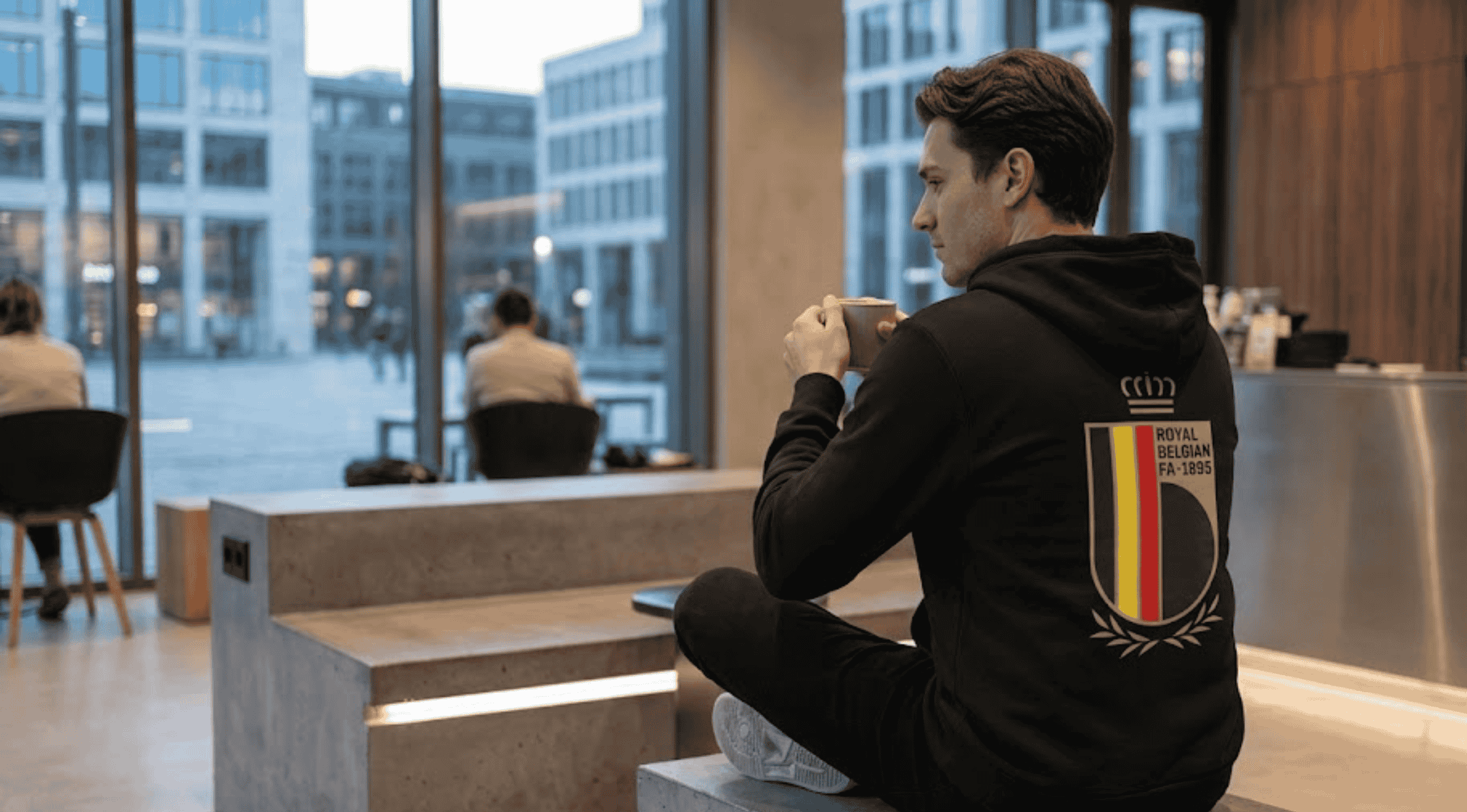
Why the FIFA World Cup Royal Belgian Team Hoodie Is a Must-Have for Every Belgium Football Fan
-
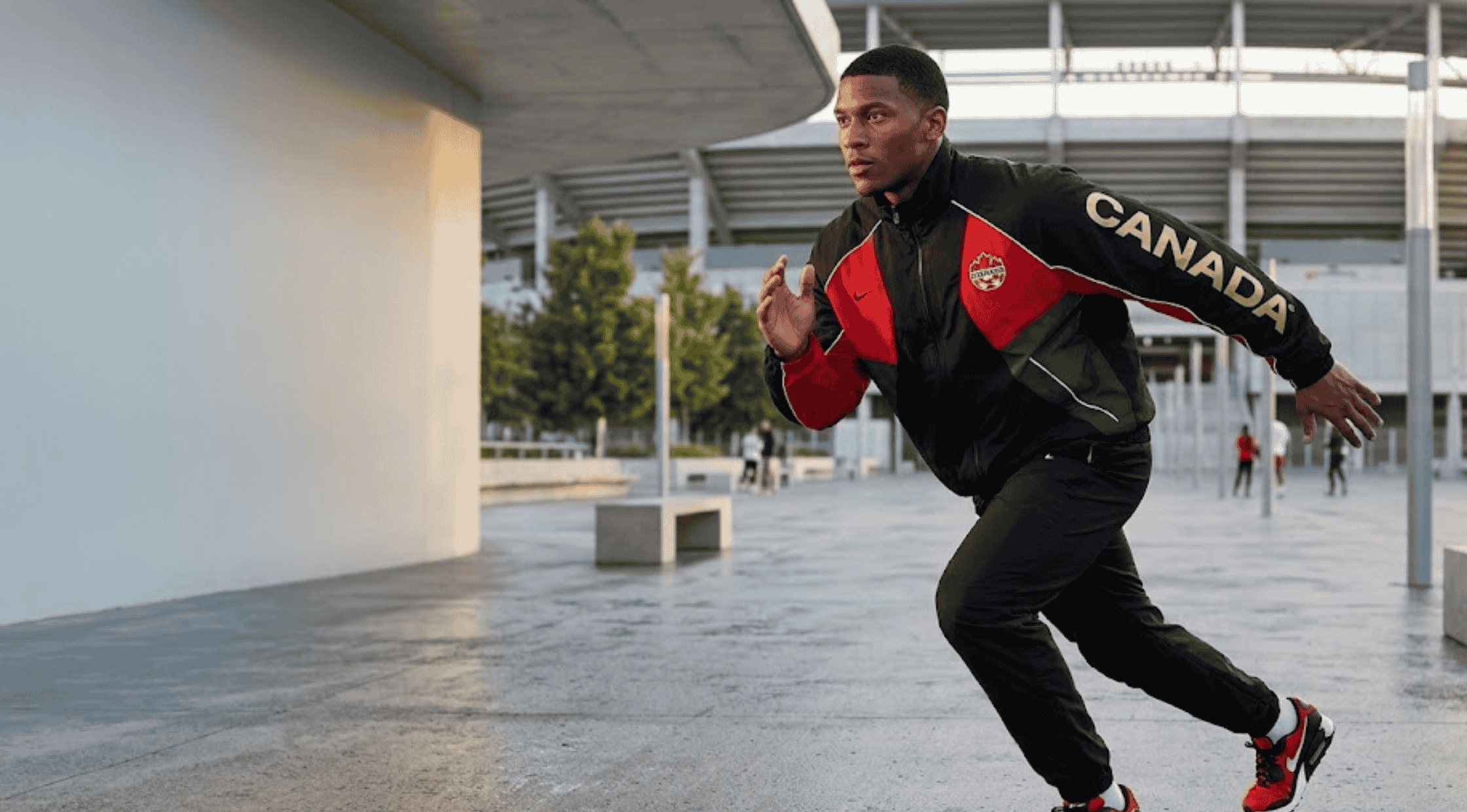
How to Style and Why You Need the Canada FIFA World Cup 2026 Jacket for Game-Day Streetwear
-

Why the Becky Hammon New York Liberty v Las Vegas Aces Blazer Is the Ultimate Power Dressing Essential
-
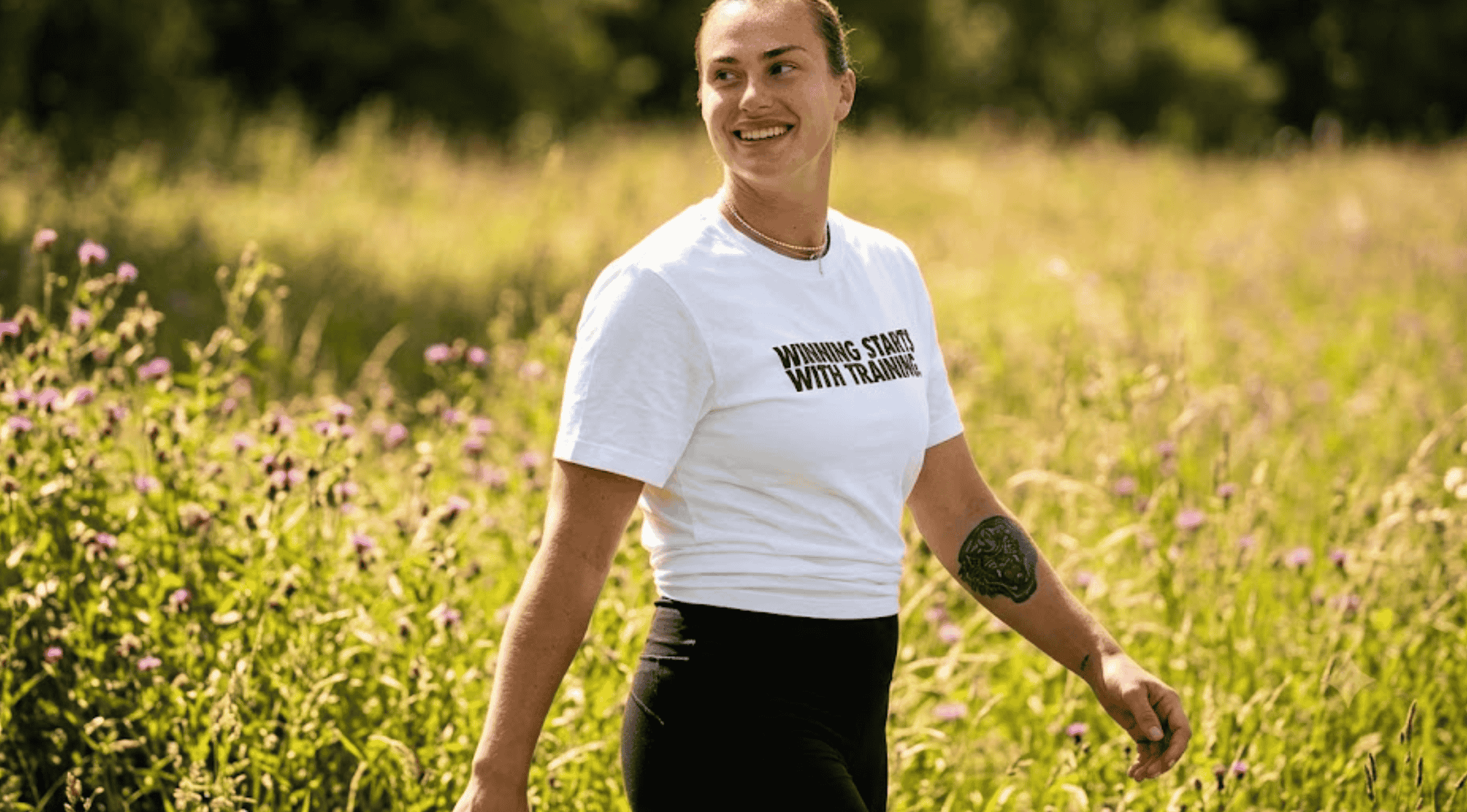
Why the Aryna Sabalenka Wimbledon Championships 2026 T-shirt Deserves a Spot in Your Sportswear Collection
-
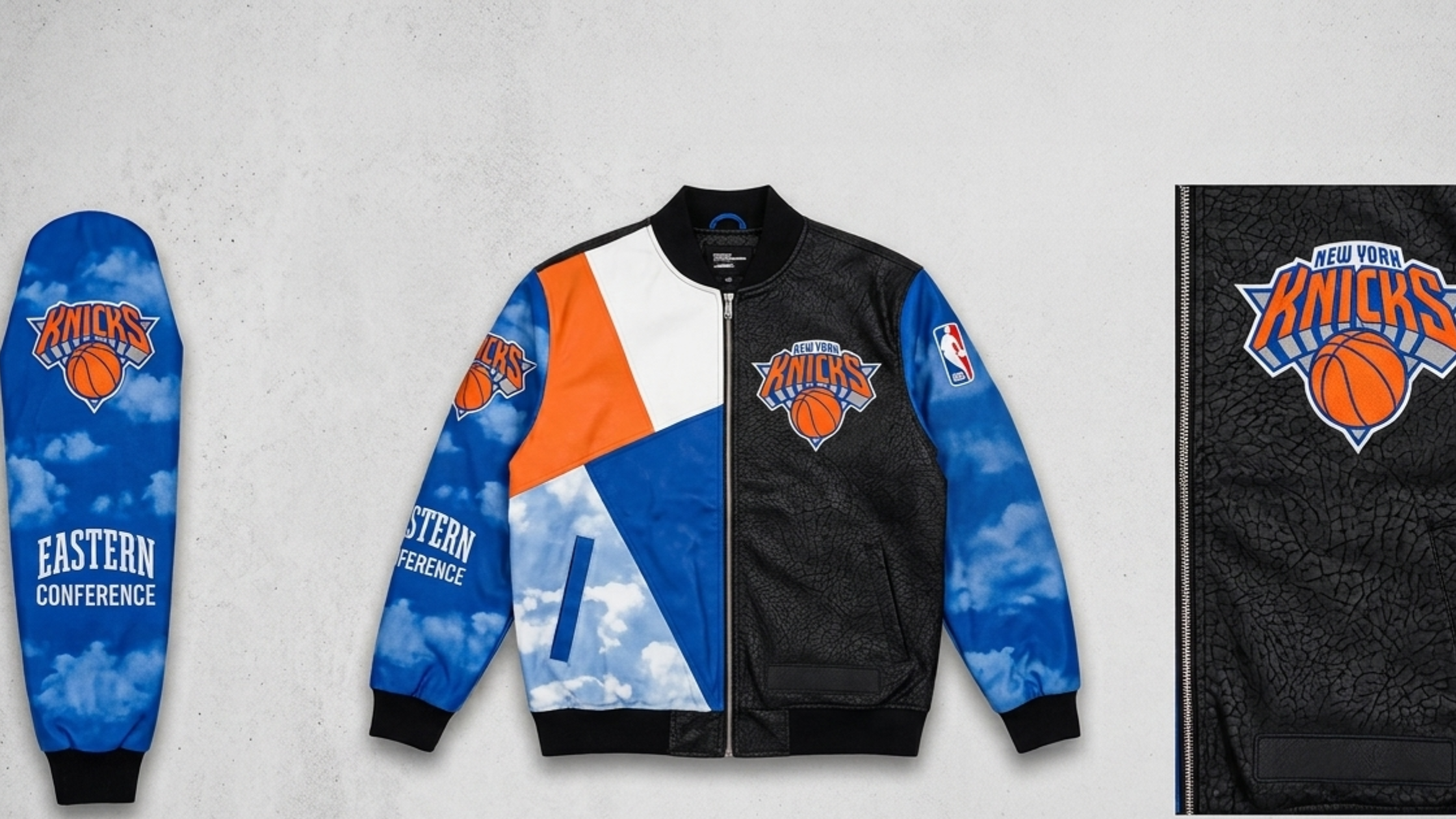
Why You’re Looking for the Karl-Anthony Towns New York Knicks Championship Parade & Ceremony Jacket: How to Style the Iconic 2026 Varsity Look